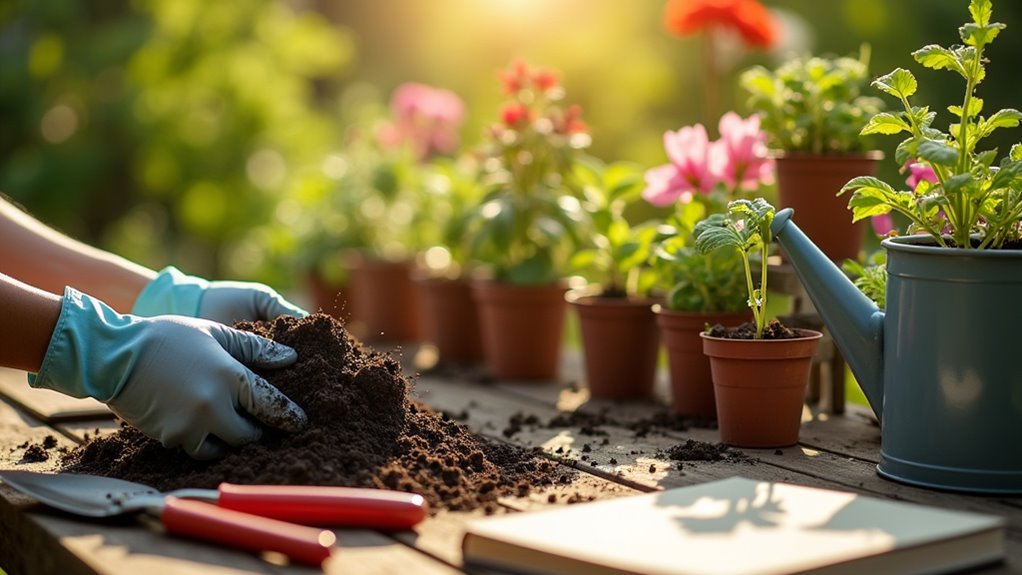
Starting your home garden can seem daunting, but getting it right doesn’t have to be overwhelming. You’ll want to understand essential elements like soil types, ideal plant choices, and effective watering techniques. With these basics, you’ll set the stage for a thriving garden. But before you dig in, there are key considerations that can make or break your gardening experience. Let’s explore those crucial first steps to ensure your gardening journey is a successful one.
Getting Started With Gardening: a Beginner’s Guide
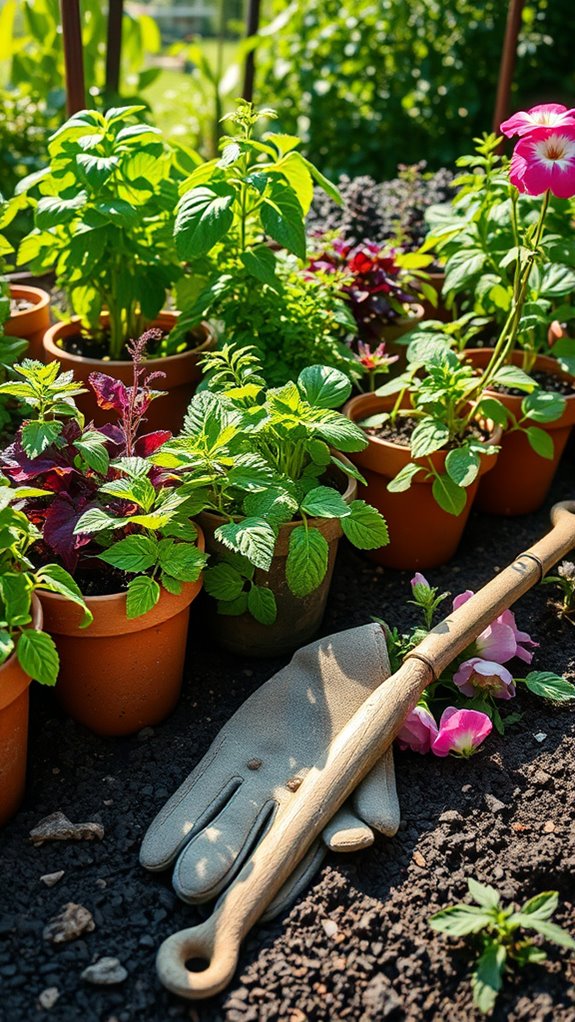
Gardening can be a rewarding hobby that lets you connect with nature and enjoy fresh produce at home.
To get started, choose a spot in your yard or balcony that gets plenty of sunlight. Think about what you’d like to grow—vegetables, herbs, or flowers—and start small.
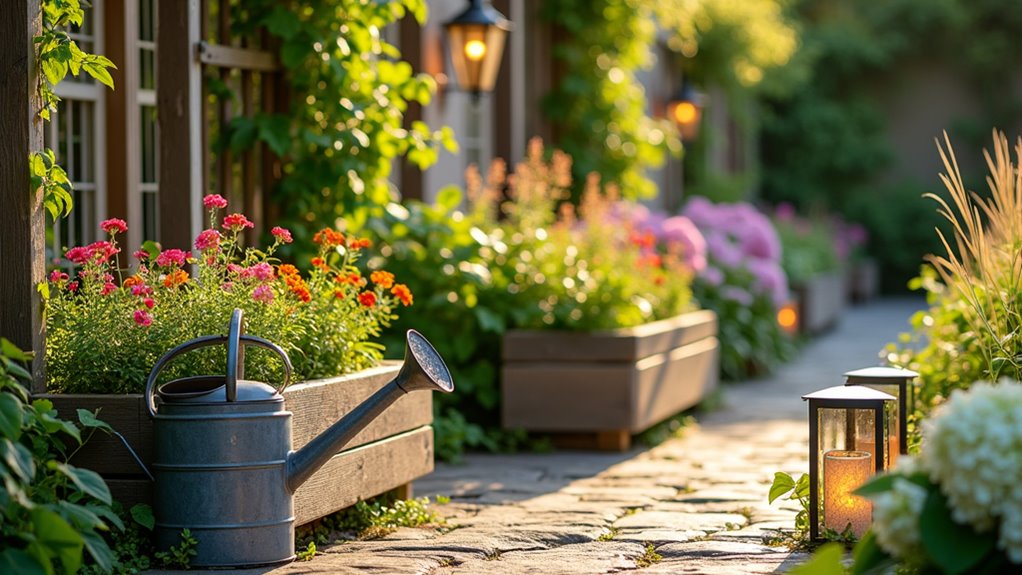
Gather the necessary tools like gloves, a trowel, and watering can. Prepare your planting area by clearing weeds and breaking up the soil.
You can either buy seedlings or start from seeds; just follow seed packet instructions for best results. Water your plants regularly and pay attention to their growth.
As you gain experience, you’ll discover what works best for you. Most importantly, enjoy the process and embrace the joy that gardening brings!
Understanding Different Soil Types for Healthy Plants
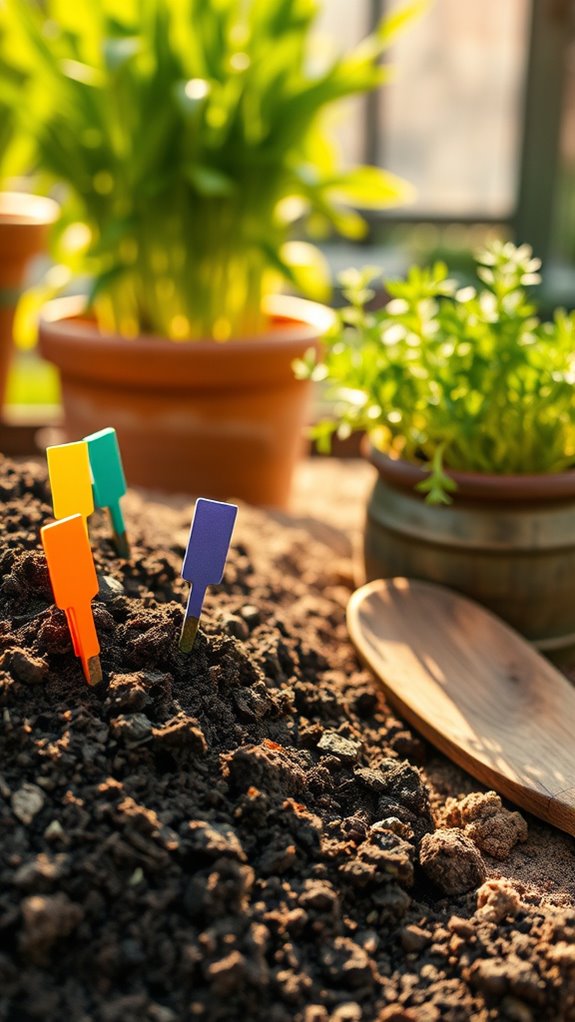
Understanding the right soil type is crucial for healthy plants, as it can significantly impact their growth and productivity.
There are three main types of soil: sandy, clay, and loamy. Sandy soil drains quickly but holds less nutrients, making it great for plants that thrive in dry conditions. Clay soil retains moisture and is nutrient-rich, but it can become compacted, restricting root growth.
Loamy soil, a mix of sand, silt, and clay, offers the best of both worlds—it drains well while retaining nutrients.
To choose the right soil for your garden, consider the plants you want to grow and their specific needs. Testing your soil can also help you understand its qualities and make necessary amendments for optimal growth.
Essential Tools for Every Beginner Gardener
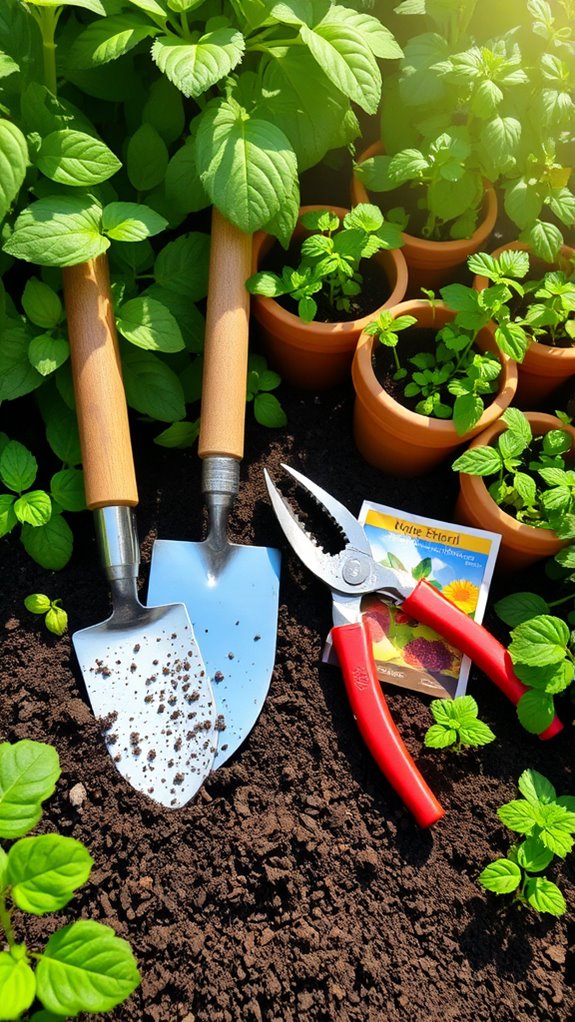
Starting your gardening journey requires the right tools to make the process smoother and more enjoyable.
You’ll need a sturdy pair of gloves to protect your hands and keep them clean while you dig and plant. A trowel is essential for planting seeds and transplanting seedlings, while a hand rake can help level the soil and manage weeds.
Don’t forget a watering can or hose, ensuring your plants get the hydration they need. Pruning shears are crucial for trimming and shaping your plants as they grow. A garden fork is helpful for turning soil and mixing in compost.
Lastly, investing in a kneeling pad or stool will save your knees during planting sessions. With these tools, you’ll be well-equipped to start your gardening adventure!
How to Choose the Right Plants for Your Space
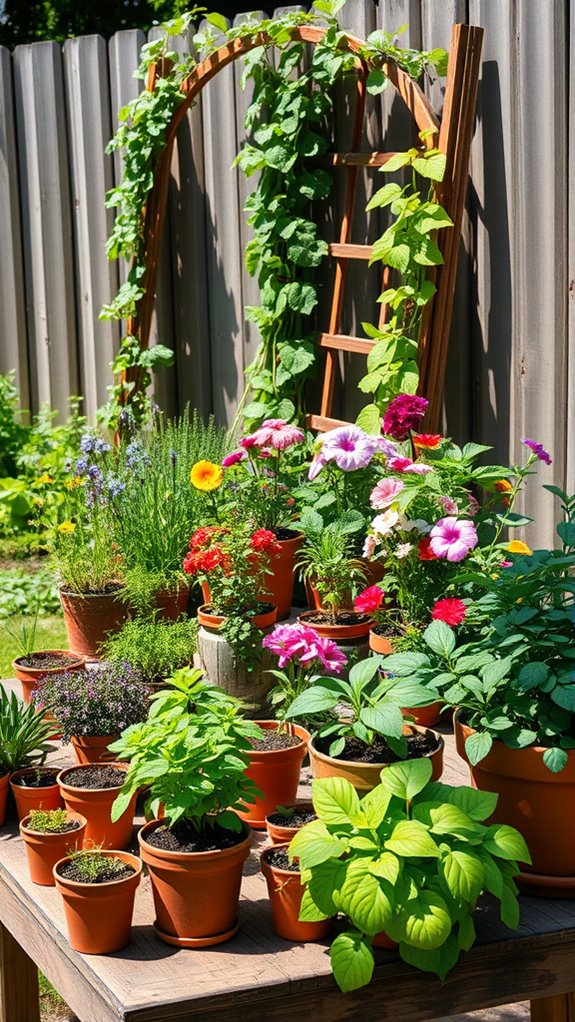
When you’re choosing plants for your garden, it’s important to consider your space’s specific conditions and your personal preferences.
Start by assessing your garden’s size, soil quality, and climate. Are you working with a small balcony or a spacious backyard? This will influence your choices significantly.
Next, think about what you enjoy. Do you prefer vibrant flowers, fresh herbs, or a mix of both? Make sure the plants you select align with your gardening goals.
Additionally, consider maintenance levels. Some plants require more care than others, so choose ones that match the time you can dedicate.
Don’t forget to think about whether you want seasonal blooms or perennial plants that will come back year after year.
Happy planting!
Maximizing Sunlight: Best Locations for Your Plants
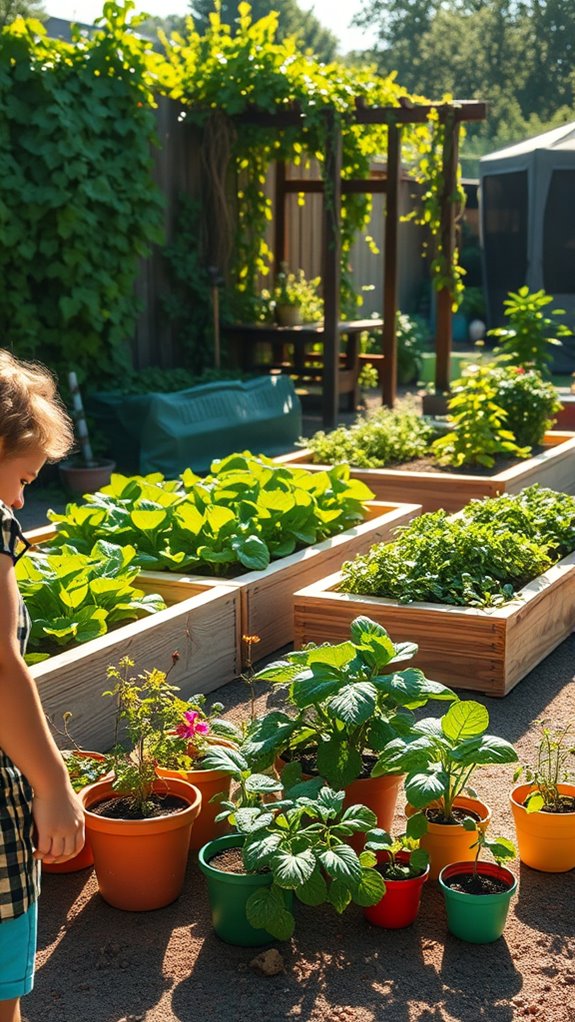
To get the most out of your plants, it’s crucial to position them in locations that receive adequate sunlight.
Most vegetables and flowers thrive in full sun, meaning they need at least six hours of direct sun daily. Observe your yard throughout the day to identify areas that stay sunlit and those that get shaded.
South-facing spots capture the most light, making them ideal for sun-loving plants. If you’re gardening indoors, place pots by windows that face the sun.
Keep in mind that some plants prefer partial shade, so consider their needs when choosing spots. Regularly rotating your pots can also help ensure they get even exposure.
Discovering the best locations is key to growing healthy, vibrant plants.
Watering Your Garden: Consistent Care Techniques
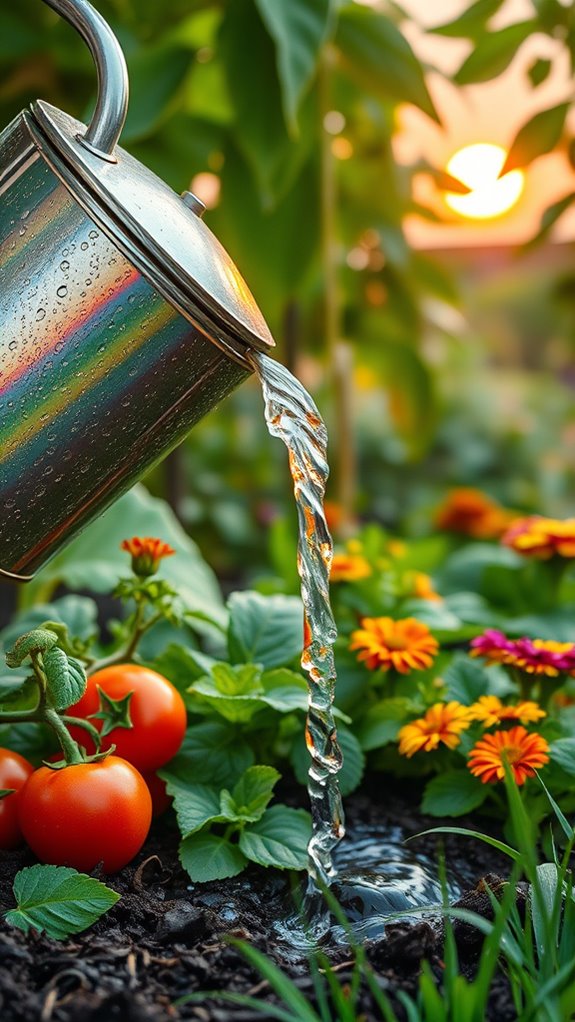
Maximizing sunlight for your plants sets the stage for successful growth, but watering them properly is just as important.
To ensure your garden thrives, establish a consistent watering schedule. Early morning is the best time; it minimizes evaporation and allows plants to absorb moisture before the heat of the day.
Use a soaker hose or drip irrigation to deliver water directly to the roots, which reduces waste and fungal diseases. Aim for about one inch of water per week, adjusting based on rainfall and temperature.
Pay attention to your plants’ needs; wilted leaves or dry soil indicate they need more moisture.
Regularly check for overwatering; soggy soil can lead to root rot. Adjust your approach as necessary, and your garden will flourish!
Organic Pest Control: Homemade Solutions
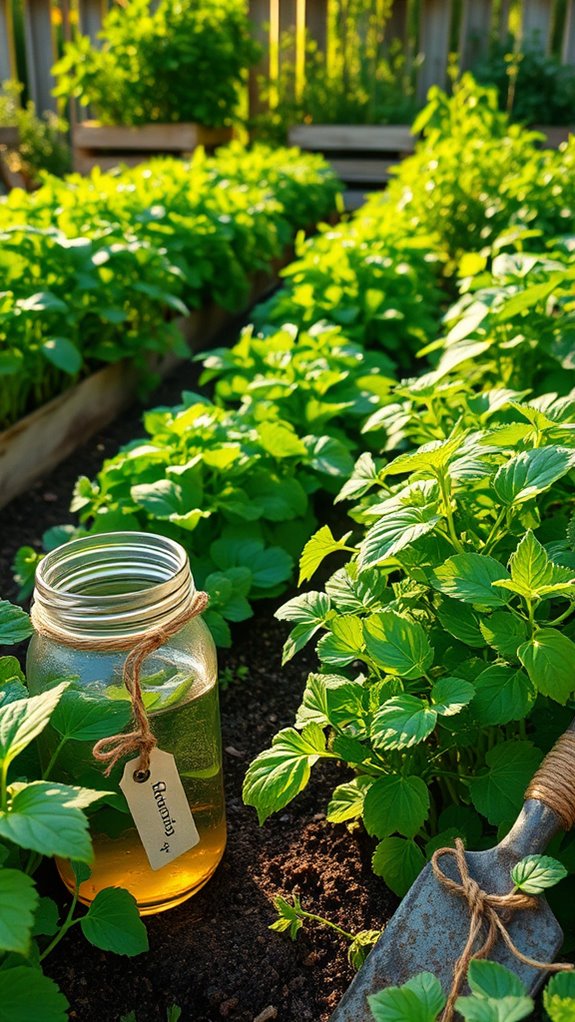
While pests can threaten your garden’s health, you can tackle them effectively with homemade organic solutions.
One popular method is creating a garlic spray; blend a few garlic cloves with water, strain, and apply it to affected plants. This deters aphids and other pests.
Another option is using soapy water; mix a few drops of mild dish soap with water in a spray bottle to combat spider mites and whiteflies.
For slugs and snails, sprinkle diatomaceous earth around plants.
You might also try companion planting—placing marigolds or basil near vegetables can naturally repel unwanted visitors.
Regularly inspect your plants, and stay proactive to keep pests at bay! Your garden will flourish with these natural pest control methods.
Common Mistakes to Avoid When Starting Your Garden?
Successfully managing pests is just one piece of the gardening puzzle.
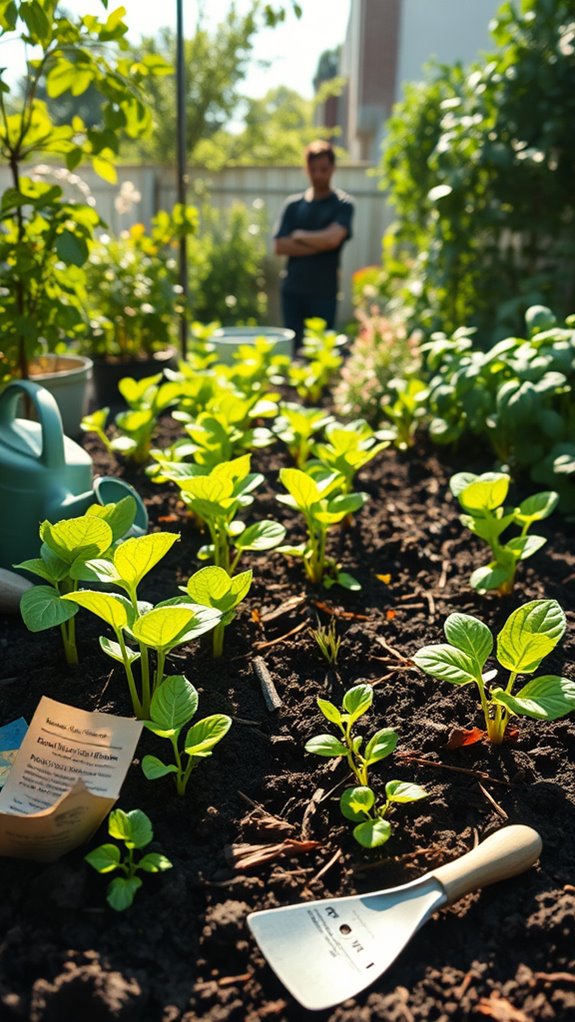
As a beginner, steer clear of common mistakes to set your garden up for success. First, don’t overcrowd your plants; give them room to grow and access sunlight.
Also, avoid planting in poor soil—test it and amend as needed.
Watering is another critical area; don’t overwater or underwater, as both can harm your plants.
Be mindful of your climate and choose plants suited to your zone.
Lastly, resist the urge to jump into gardening without a plan; sketch out your layout to avoid chaos.
By sidestepping these pitfalls, you’ll cultivate a thriving garden you can truly enjoy.
Happy gardening!
Conclusion
Starting your home garden is an exciting journey that requires some basic knowledge and preparation. By choosing the right spot, preparing your soil, and selecting suitable plants, you’re on your way to creating a thriving space. Remember to establish a consistent watering routine and stay alert for any signs of trouble. With a bit of patience and care, you’ll enjoy the fruits of your labor and the joy that comes with gardening throughout the seasons. Happy gardening!