
You’ve probably wondered how some spaces manage to look effortlessly stylish while yours feels off. Well, interior decorators have a few tricks up their sleeves that can change all that. From mastering lighting to selecting the perfect color palette, these secrets can enhance the look and feel of your home. Curious about how you can apply these techniques to your space? Let’s explore what these decorators aren’t telling you.
Understanding Interior Design Principles for Your Home
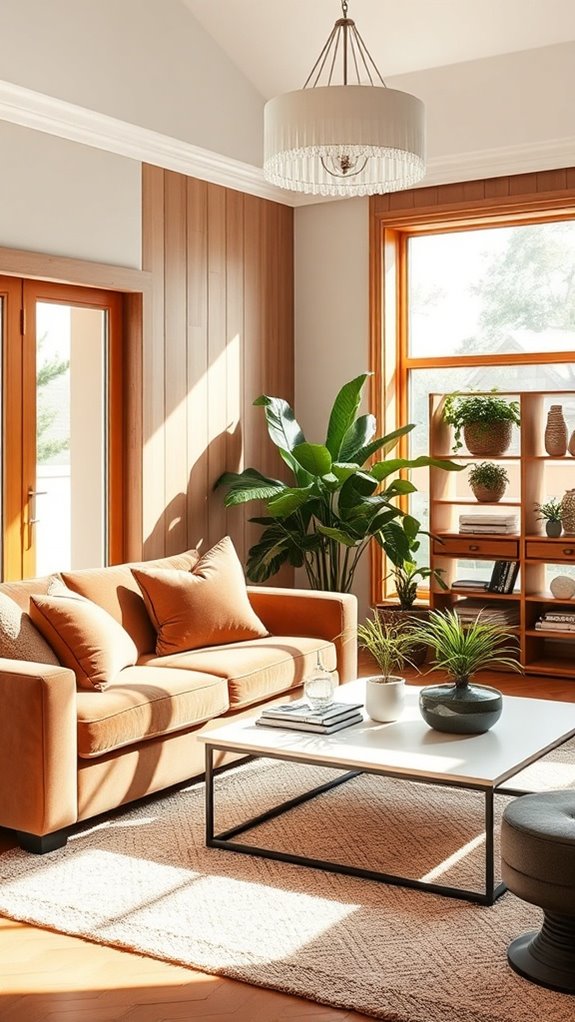
Interior design is more than just arranging furniture; it’s about creating a cohesive and functional space that reflects your personal style.
To start, focus on balance, ensuring that your room feels stable by distributing visual weight evenly. Consider scale and proportion, making sure your furniture size matches your space.
Don’t forget about focal points—these draw the eye and anchor your design. Utilize rhythm to create flow, repeating shapes and colors throughout the room.
Lastly, understand the importance of harmony; your decor should complement each other, resulting in a unified look.
Choosing the Perfect Color Palette for Your Space
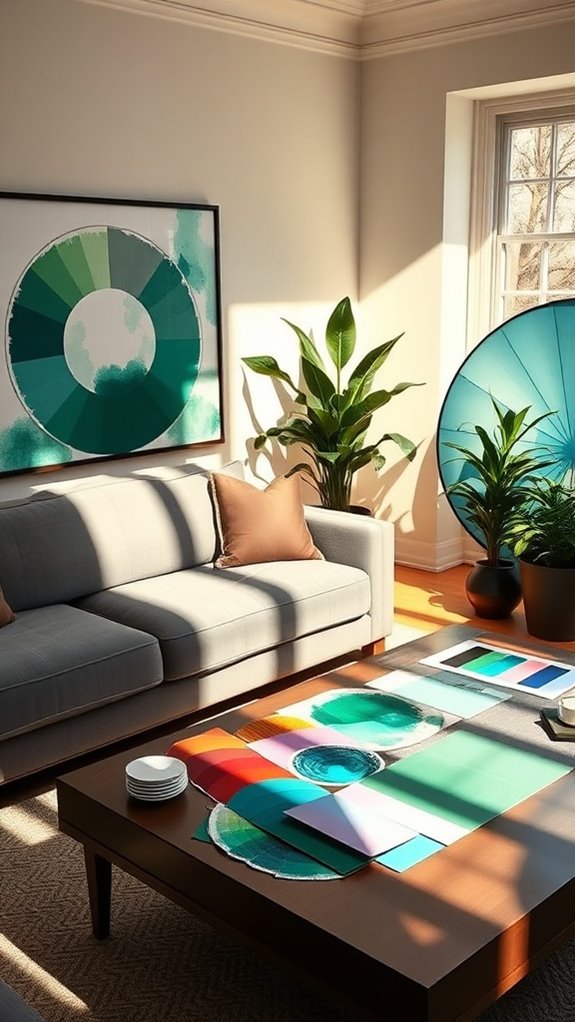
Color can dramatically affect the mood and perception of your space, making it a vital consideration in your design journey.
Begin by identifying the vibe you want to create. Do you prefer calm and serene, or vibrant and energetic? Use color psychology; for example, blues and greens promote relaxation, while yellows and reds can energize.
Next, consider your existing furnishings and how colors will complement or contrast with them. Test paint samples on your walls, as colors can appear different depending on lighting.
Don’t forget about flow—ensure colors work well across adjacent rooms for a harmonious feel. Lastly, limit your palette to three main colors for cohesion.
With a well-chosen palette, your space will feel more inviting and tailored to your lifestyle.
Layering Textures to Add Depth and Interest
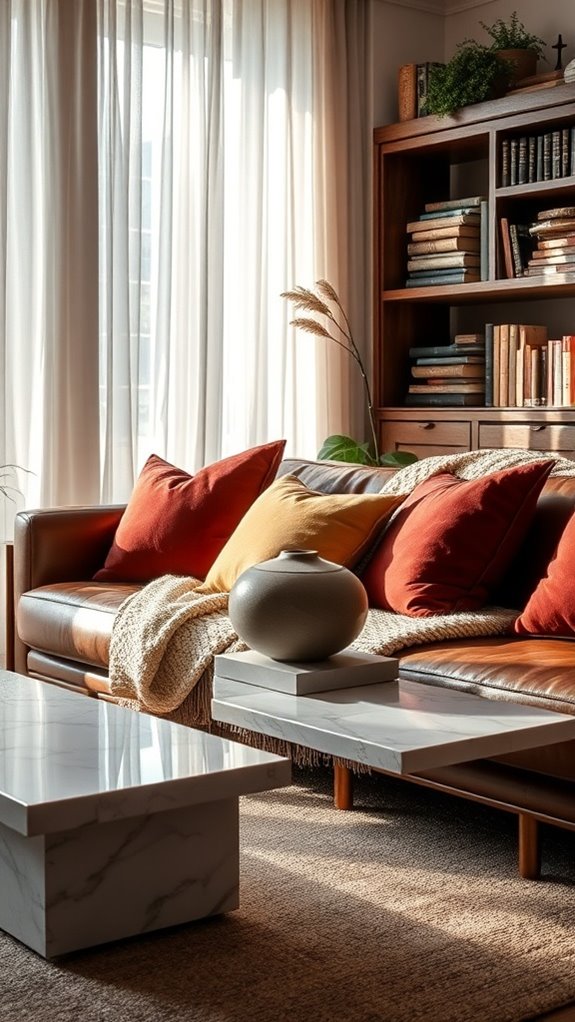
While you might focus on colors and furnishings in your design, layering textures can significantly enhance the depth and interest of your space. Start by combining different materials like wood, metal, and fabric. For instance, mix a plush velvet sofa with a sleek leather chair to create contrast.
Don’t forget the importance of textiles—incorporate cushions, throws, or rugs in varying fabrics to add warmth. Consider the scale as well; use large textures like a chunky knit blanket alongside smaller accents like decorative pillows. Each layer adds dimension and invites the eye.
Finally, play with finishes; matte, shiny, and woven surfaces create a dynamic interplay. By thoughtfully layering textures, you can create a visually stimulating environment that feels both inviting and curated.
Creating Ambiance: Mastering Home Lighting Techniques
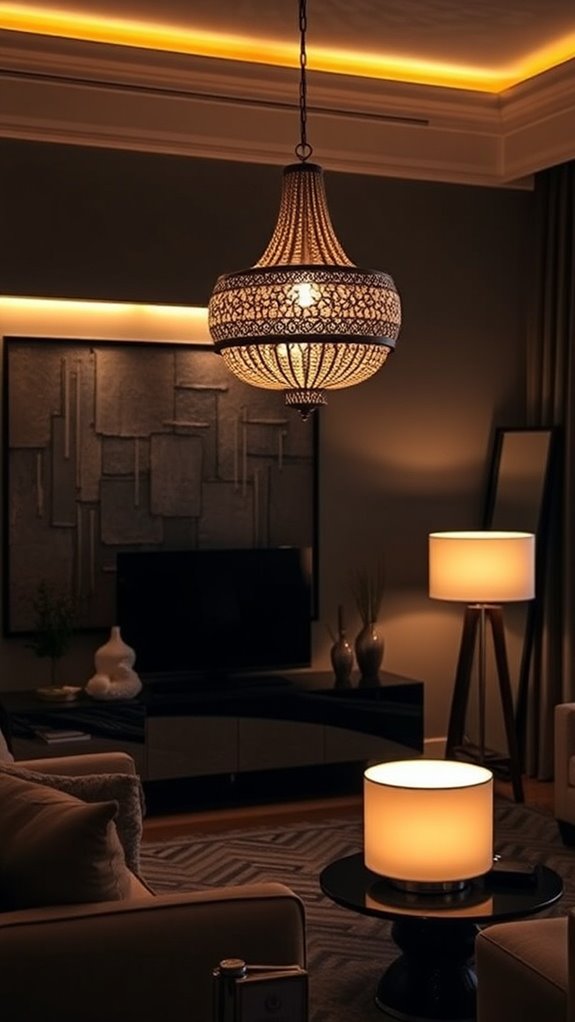
Proper lighting can transform any room, setting the perfect mood and enhancing your decor.
Start with task lighting for practical areas like kitchens and offices. Use under-cabinet lights to brighten workspaces and make cooking a breeze.
Incorporate ambient lighting, such as ceiling fixtures or wall sconces, to create a warm, inviting atmosphere.
Don’t forget accent lighting to highlight artwork or architectural details. Table and floor lamps can add personality while providing softer illumination.
For versatility, consider dimmer switches, allowing you to adjust the intensity according to the time of day or occasion. You can even experiment with colored bulbs for a unique twist.
Space-Saving Tricks for Small Areas
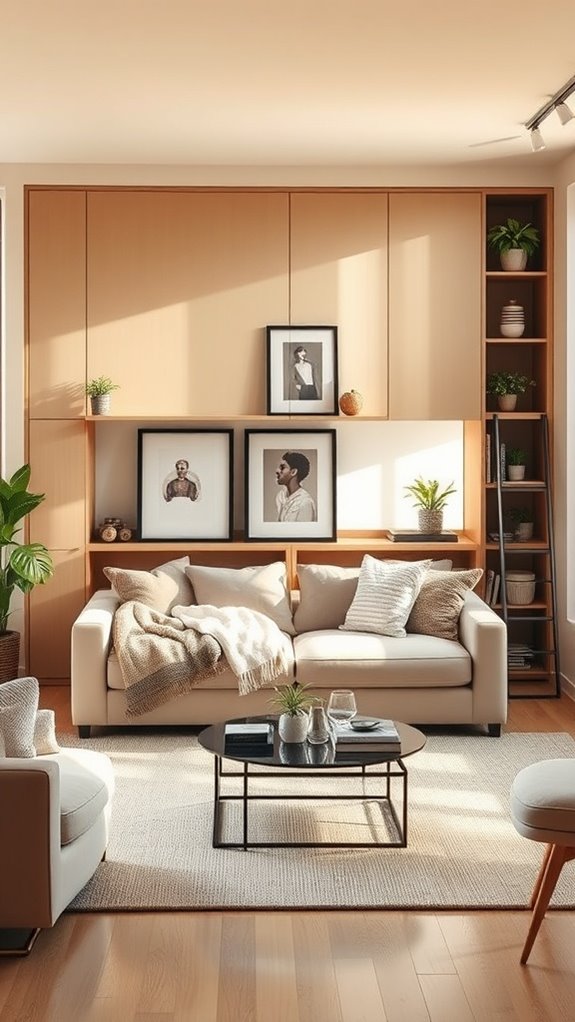
If you’re looking to maximize your small space, creative solutions can make a world of difference.
Start by using multifunctional furniture; a sofa bed or an ottoman with storage can free up valuable floor space.
Consider vertical storage options—shelves or wall-mounted units draw the eye upward, making the room feel larger.
Use mirrors strategically to reflect light and create an illusion of depth.
Also, try to embrace a minimalist design; fewer items mean less clutter, which can enhance the space’s openness.
Finally, experimenting with color can transform a small area; lighter shades make it feel airy while adding depth with bold accents can add personality without overwhelming the space.
With a little innovation, your small area can feel much bigger!
Using Scale and Proportion for Better Design
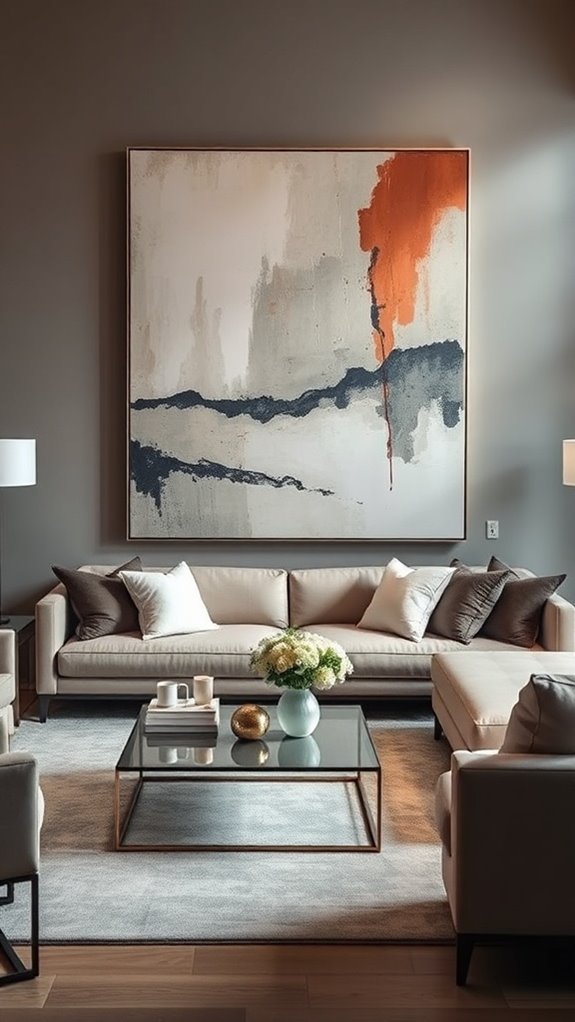
Scale and proportion are vital to creating a harmonious and inviting space. When you choose furniture, think about its size in relation to the room. A massive couch in a tiny living room can overwhelm the space, while a small chair may get lost in a large area.
Aim for balance by mixing larger items with smaller accents; this creates visual interest. Use the rule of thirds to arrange elements—grouping items in odd numbers often looks more appealing.
Don’t forget about height, either. Layer your décor with tall plants or art pieces to draw the eye upward. By paying attention to scale and proportion, you can enhance your design, making each area feel thoughtful and well-composed.
Mixing Patterns: Crafting a Cohesive Look
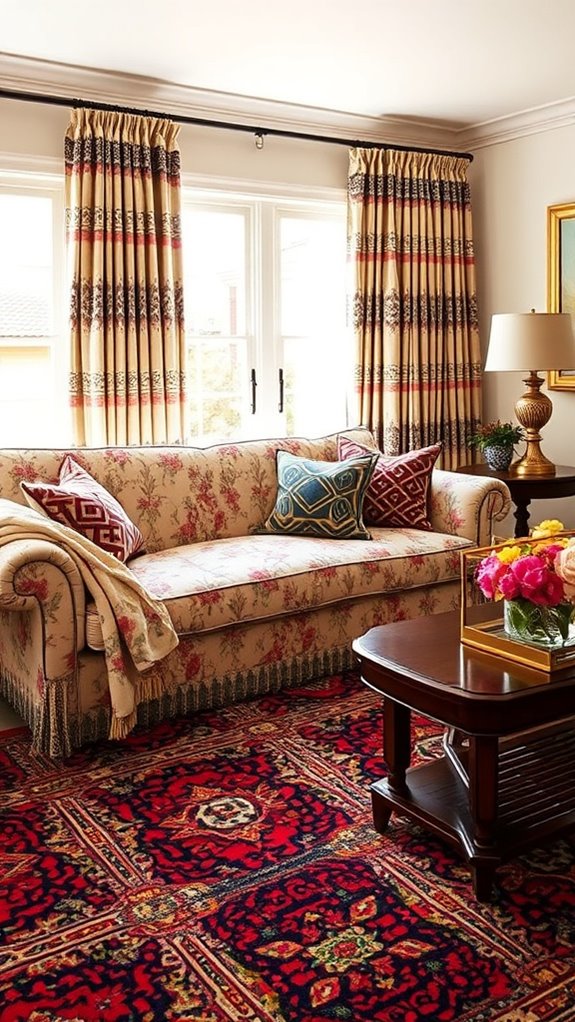
When you mix patterns in your space, it’s essential to strike a balance that feels cohesive rather than chaotic.
Start by choosing a color palette that ties everything together; this will create harmony across different designs.
Use a mix of sizes—pair larger patterns with smaller ones to prevent overwhelming the eye.
Aim for a common theme, whether it’s floral, geometric, or abstract, to create a unified look.
Don’t shy away from textures; they can amplify the interaction between patterns.
Lastly, consider the scale and proportion of each element to ensure they complement rather than clash.
With these principles in mind, you can achieve a beautifully layered space that showcases your personality while maintaining visual harmony.
Essential Decor Accessories for Effective Styling
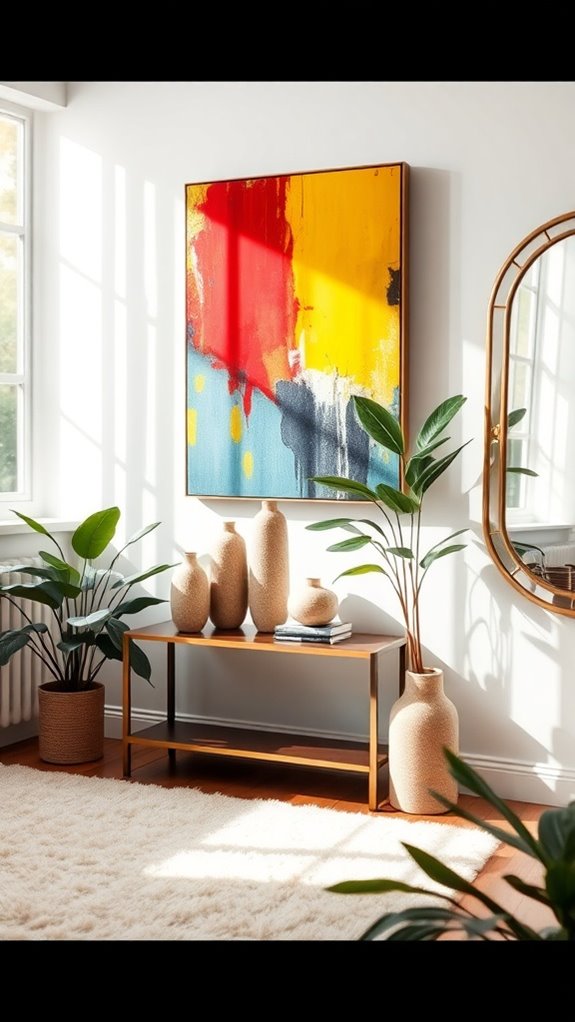
Creating a cohesive look goes beyond mixing patterns; the right decor accessories can make or break your styling.
Start with a statement piece, like a bold sculpture or a vibrant piece of art, that draws the eye and sets the tone for the room. Incorporate layered textiles, such as throw pillows and blankets, to add depth and warmth.
Don’t forget about lighting—unique lamps or decorative candles can create an inviting atmosphere. Plants also play a crucial role; they bring life and freshness to any space.
Finally, carefully selected storage baskets or decorative boxes can maintain organization while enhancing style. With these essentials, you’ll effortlessly elevate your home decor and create a welcoming environment.
Why Focal Points Matter in Your Home Design?
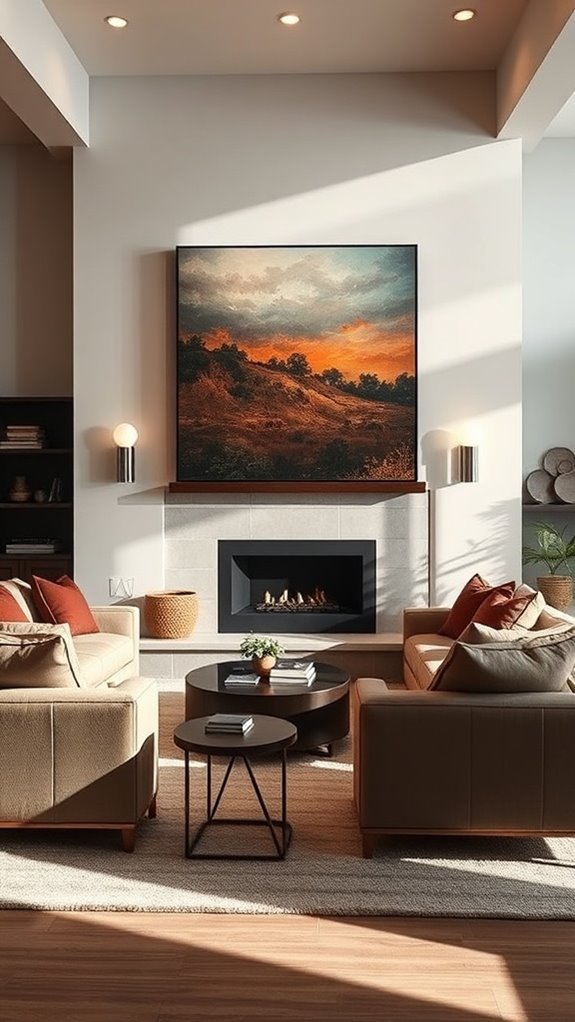
Why do focal points hold such significance in home design?
They create a sense of balance and draw the eye, making your space feel more cohesive. A strong focal point can dictate the flow and layout of a room, guiding your visitors naturally where to look first.
This element can be anything from a stunning piece of art to a fireplace or a beautifully arranged piece of furniture. Without a defined focal point, a room can feel scattered and uninviting.
By strategically placing these elements, you can enhance the overall aesthetic, making the space feel intentional and well-designed.
Choosing Key Pieces to Invest In
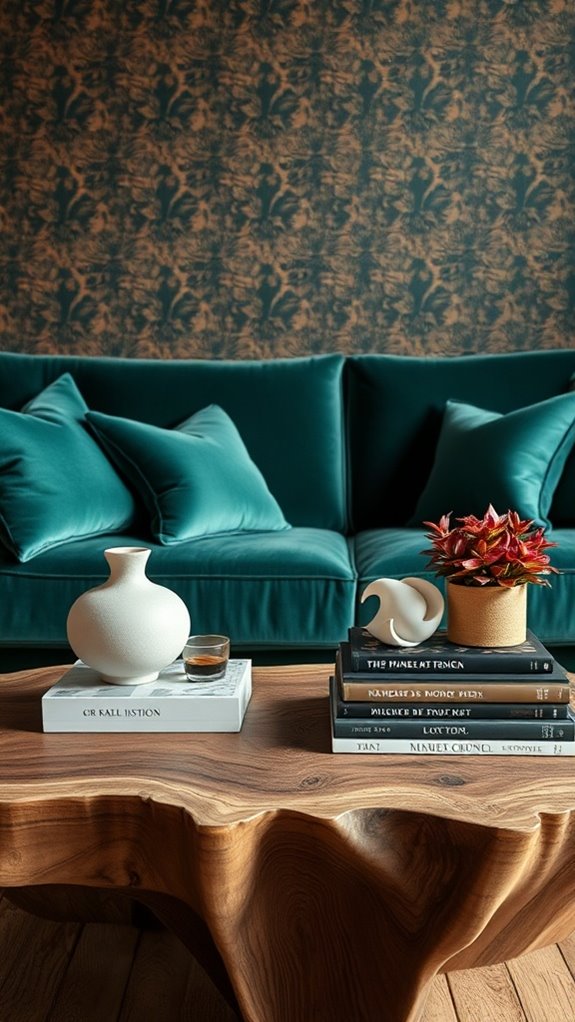
Investing in key pieces can transform your home from ordinary to extraordinary. Start by identifying items that reflect your style and enhance functionality.
A high-quality sofa serves as both a comfort zone and a centerpiece in your living space. Consider art that resonates with you—it adds character and sparks conversation.
Lighting fixtures can also make a statement; think about unique designs that illuminate and elevate your decor. Don’t overlook essentials like a sturdy dining table that fosters gatherings and memories.
Remember to choose pieces that not only look good but fit your lifestyle. Prioritize durability and craftsmanship, as these investments will stand the test of time, making your home feel more personalized and inviting.
Deciding Between DIY and Hiring a Decorator?
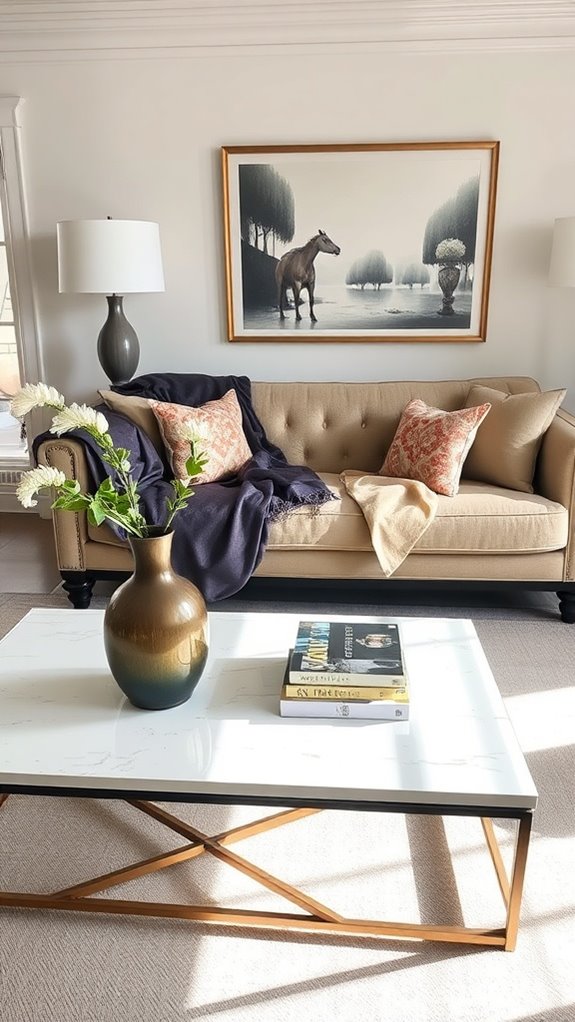
When tackling your home decor, how do you know if you should go the DIY route or hire a professional decorator?
Start by assessing your skills and confidence. If you love creating and have a clear vision, DIY might be the way to go. It’s cost-effective and allows for personal expression.
However, if interior design isn’t your strength or you’re short on time, a professional decorator can save you headaches. They bring expertise and connections to find materials and furnishings that perfectly match your style and budget.
Consider the complexity of your project, too. For larger renovations, hiring a decorator can ensure a cohesive look.
Ultimately, weigh your time, skills, and budget before making the decision.
Seasonal Updates for a Fresh Home Look Year-Round
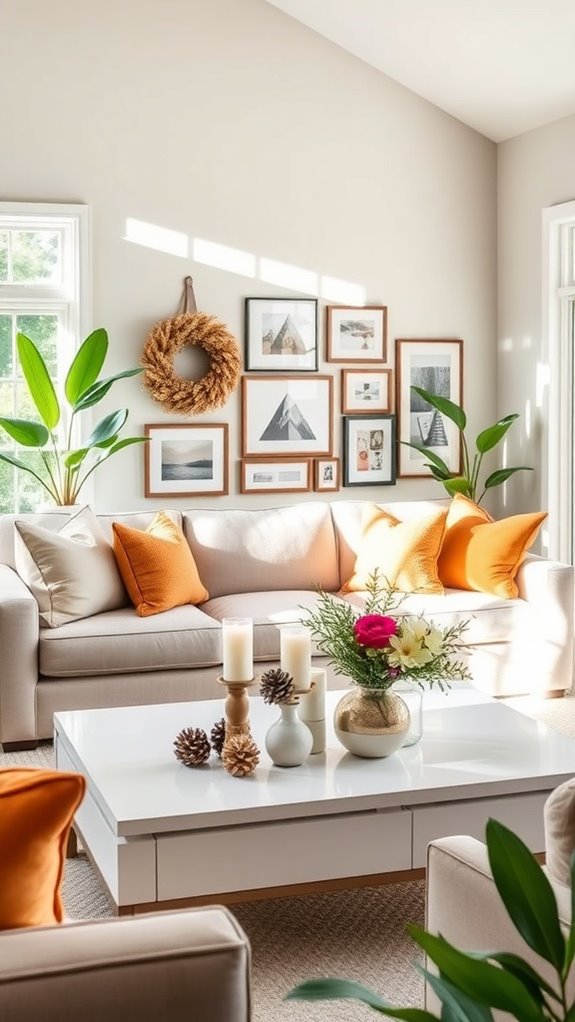
Although it may seem daunting, updating your home decor seasonally can be a refreshing way to keep your space feeling vibrant and inviting.
Start by swapping out textiles—think cozy blankets in winter and light linen in summer. Consider adding seasonal artwork or prints to your walls, reflecting the colors and moods of each time of year.
Switch out your decorative pillows and throws, incorporating colors that align with current trends or seasonal themes. Don’t forget to refresh your scents too; seasonal candles or essential oils can enhance the atmosphere.
You can even rotate your plants; vibrant spring blooms in warmer months and rich autumn hues in fall will keep your home feeling alive. Embrace these small changes, and your home will feel new all year long!
Eco-Friendly Choices in Interior Decorating
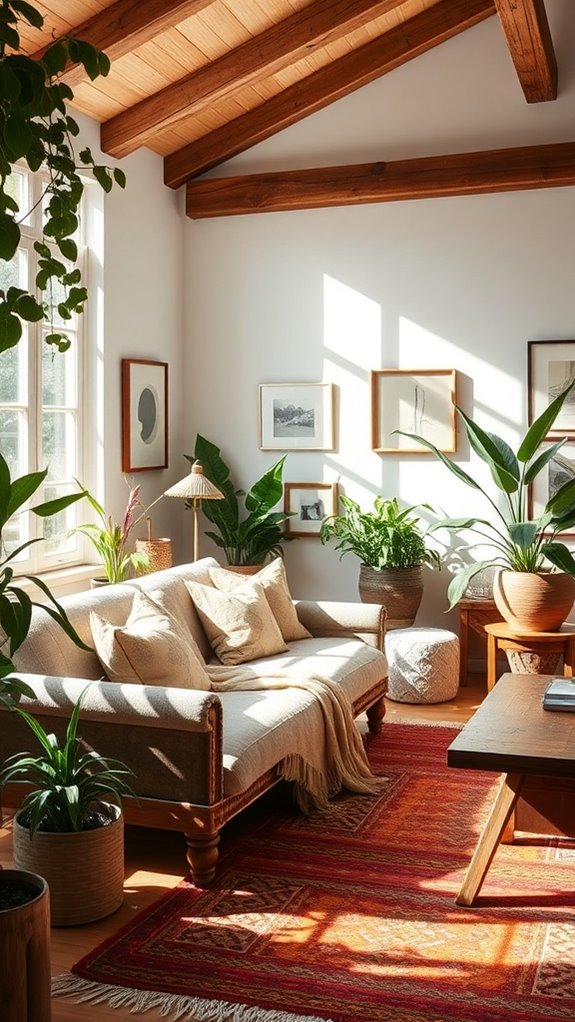
Making eco-friendly choices in interior decorating not only helps the planet but also creates a healthier living environment for you and your loved ones.
Start by selecting sustainable materials like bamboo, reclaimed wood, or recycled metal for furniture. Opt for low-VOC paints and finishes to improve indoor air quality. Incorporate energy-efficient lighting options like LED bulbs to save on electricity while minimizing your carbon footprint.
Consider adding plants to your space; they purify the air and enhance your decor. When shopping, support local artisans and businesses to reduce transportation emissions. Lastly, embrace second-hand or vintage items to give your home character while promoting sustainability.
These decisions not only reflect your values but elevate your home’s aesthetic.
Impactful Tips for Styling Your Home
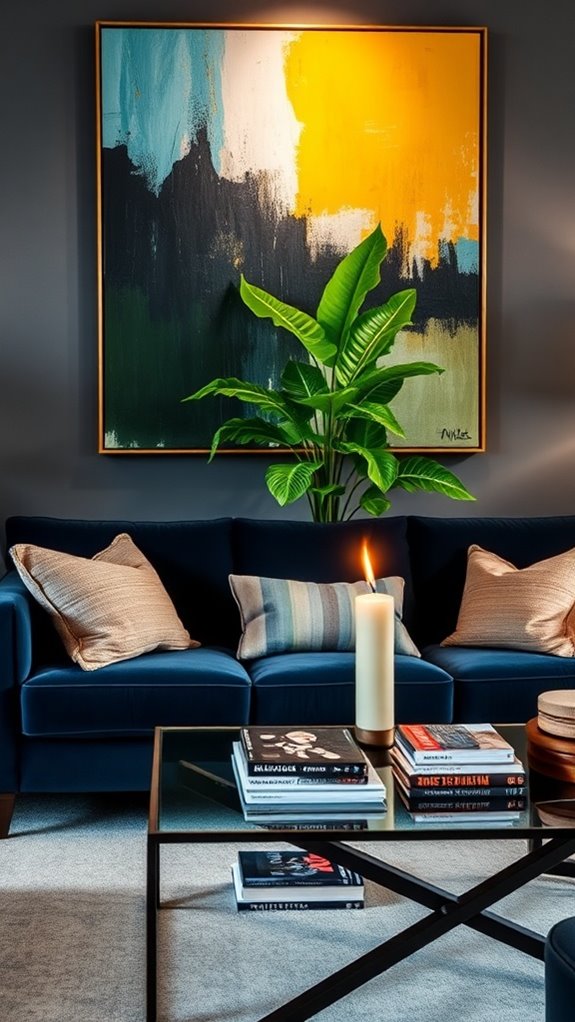
Creating a stylish home goes hand in hand with making mindful choices, like incorporating sustainable materials.
Start by choosing a focal point in each room. This could be a bold piece of art or a statement furniture item; let it guide your design.
Use a mix of textures—think soft textiles paired with metal or wood—to add depth. It’s amazing what a fresh coat of paint can do; consider a unique color to revitalize your space.
Don’t shy away from layering various light sources; combine ambient, task, and accent lighting for warmth.
Finally, personalize your space with items that tell your story—think travel souvenirs or family heirlooms.
You’ll create a home that feels both chic and authentically you.
Conclusion
By now, you’ve uncovered some insider secrets that can truly elevate your home decor. Remember to experiment with color palettes, layer textures, and embrace the power of lighting. Don’t shy away from multifunctional furniture in tight spaces, and consider eco-friendly choices that reflect your style. Whether you decide to DIY or work with a pro, you’ve got the tools to create a beautiful, cohesive space that feels uniquely yours. Happy decorating!